


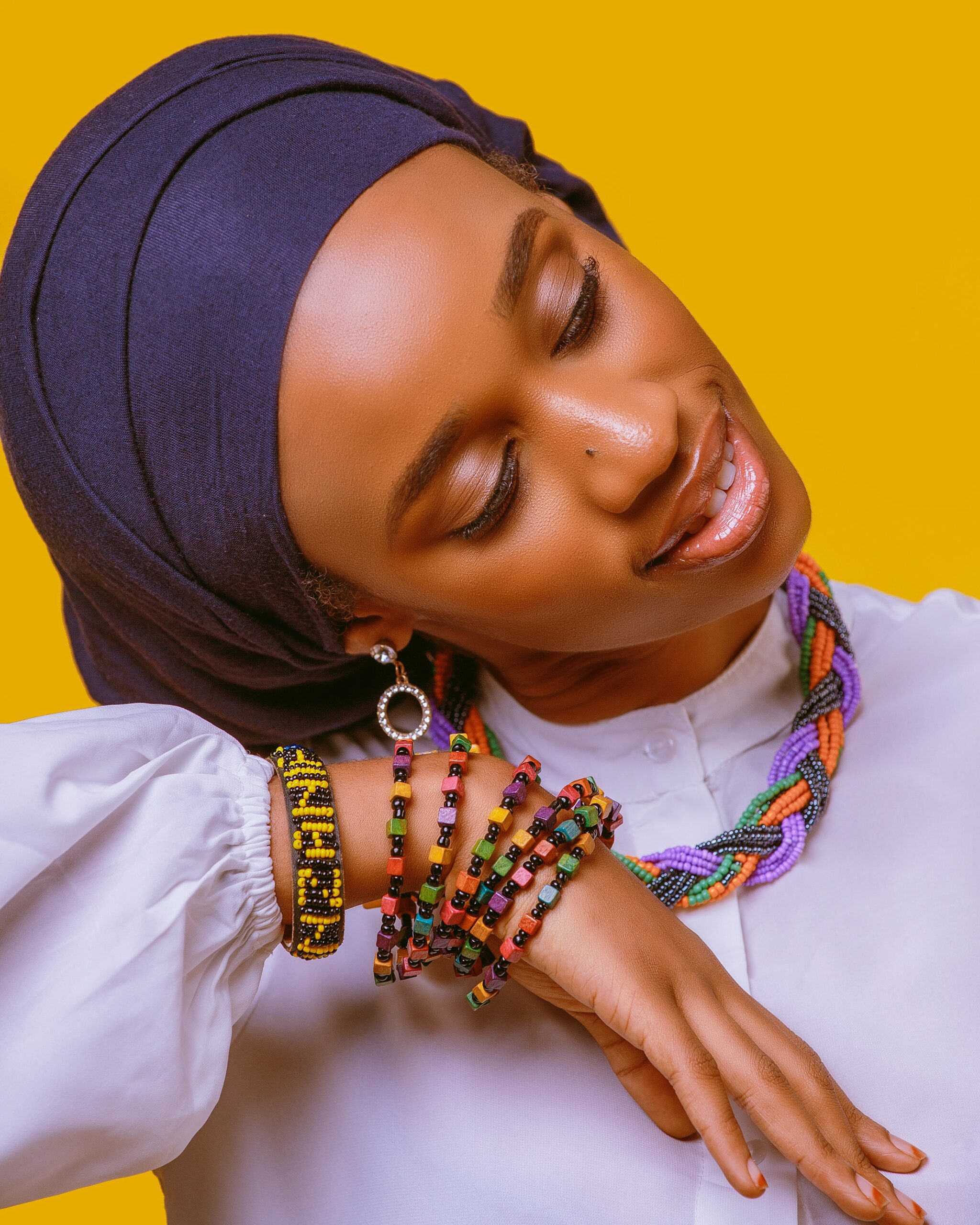
Africa’s cultural consumer buying preferences are changing rapidly. Factors like urbanisation, technology, and easier access to information are driving this shift. Creative businesses face challenges due to these consumer changing buying preferences and patterns. African cultural consumers now embrace new trends and assert their unique identities. To understand the changing African market, exploring these preferences is crucial for creative businesses. Here are five factors shaping these preferences:
Embracing Local Identity
Certain African countries are witnessing a significant change in cultural consumer preferences. They increasingly take pride in and embrace their local African identity. African cultural and creative consumers now seek products and services that mirror their cultural heritage, and traditions, and celebrate Africa’s rich diversity. This shift results from a growing sense of African identity pride and a desire to bolster local economies. These consumers actively hunt for products featuring indigenous designs, traditional materials, and local artistic talent. This trend manifests in the rising demand for locally made goods, traditional crafts, indigenous fashion, and African-inspired designs. Creative businesses that recognise the importance of Cultural Connections and integrate African cultural elements into their offerings can connect more effectively with these consumers.
This change is also driven by a desire to counter the dominance of global brands and safeguard African cultural diversity. By choosing locally-made products, cultural consumers not only express their cultural pride but also contribute to local creative industries’ growth and sustainability. This, in turn, fosters economic development and empowers local artisans and communities.
Digital Transformation and E-commerce
Digital platforms grant African cultural consumers access to a world of products and services. They explore diverse cultural offerings with ease. Consumers adopt online shopping, mobile payments, and digital entertainment in Africa’s Massive e-commerce potential. Convenience, product variety, and connectivity drive this shift. Digital transformation and e-commerce markedly alter buying habits in African cultural consumers. With more smartphones and improved internet access, Africans increasingly favour online shopping. This shift reshapes their purchasing behaviour.

African creative businesses face a challenge: they must step up and resource themselves correctly. A study by KPMG in 2019 found that 71% of African consumers preferred online shopping for foreign products to explore different cultures. Growth-focused creative businesses must adapt to the digital market and cater to tech-savvy cultural consumers. Aligning with continental technological developments, such as The Digital Transformation Strategy for Africa (2020-2030), is crucial to stay ahead.
Many African cultural consumers embrace e-commerce for its convenience, especially due to limited physical retail options and long travel distances. Offering cultural products and services online proves effective. The COVID-19 pandemic accelerated e-commerce adoption in Africa as consumers appreciate online shopping and home delivery. Sub-Saharan Africa boasts the world’s fastest-growing Mobile economy, with over 490 million Africans subscribing to mobile services in 2020, nearly 46% of the region’s population. This digital transformation and e-commerce’s rise not only change consumer preferences but also enrich cultures and boost Africa’s economic growth.
Rise of the Middle Class
The African Development Bank (AfDB) has reported a tripling of the Middle-class Africans over the past 30 years, totalling 313 million people, or more than 34% of the continent’s population. This emerging middle class is a significant force behind shifting consumer preferences. As disposable incomes rise in certain countries, consumers are gravitating toward aspirational and premium products. They’re on the lookout for higher quality goods, luxury brands, and unique experiences, which has led to notable changes in cultural consumer buying habits.
One key change is the surging demand for high-quality, branded products. With increased disposable income, the middle class is eager to invest in locally recognized brands that symbolise status and excellence. These consumers are seeking innovative cultural products and services that enhance their quality of life, spanning entertainment, music, and fashion. As a result, creative businesses face both new opportunities and challenges. To cater to this evolving demographic, they must emphasise value, differentiation, and personalised offerings. Adapting strategies to meet the demands and desires of the African cultural middle class is now paramount.
Embracing Local Culture
Cultural imperialism still exists in Africa, but African consumers increasingly value and embrace their local cultures. This revolution affects how African consumers engage with brands and how brands must create African-centric messaging. Today’s African consumers are shaping the future and guiding African brands toward local adaptation. This trend signals a desire to celebrate and preserve African heritage. Embracing local culture significantly alters cultural buying preferences in Africa, moving away from Western-dominated choices. This change stems from growing cultural pride and support for local economies and creatives.
African consumers favour locally made goods that celebrate their cultural diversity. This shift is evident in the rise of African fashion, music, film, and literature, gaining international acclaim and African consumer acceptance. By embracing local culture, African consumers influence not only their buying choices but also contribute to preserving and promoting their rich cultural heritage.
Rise of Afrocentric Media
African consumers demand more Afrocentric media, like movies, music, and literature. This shift affects cultural buying preferences significantly. It boosts local artists and filmmakers, gaining global recognition. African audiences change their consumption patterns, seeking content reflecting their culture and identity. This trend celebrates African culture, history, and heritage. Afrocentric media platforms, like TV channels and streaming services, offer diverse content showcasing African stories, music, fashion, and art. This shift signals a profound change in consumer preferences, actively supporting media aligning with cultural values and African narratives. Consequently, this shift transforms the media landscape. However, more work is needed to create opportunities for African artists and growth-focused creative entrepreneurs. African businesses should seize this chance, creating cultural products that preserve and celebrate their heritage.
Conclusion
The changing cultural consumer buying preferences have brought about a significant shift in the continent’s economic landscape. As globalisation and technological advancements continue to shape the world, African consumers have embraced new values, lifestyles, and aspirations that influence their purchasing decisions. African societies have become more diverse and interconnected, and cultural authenticity and sustainability have become key considerations in their purchasing patterns. To succeed in the African marketplace, growth-focused creative companies must develop a deep understanding of the local cultural context, foster inclusive and sustainable practices, and harness the power of technology to engage with cultural consumers effectively. By adapting to these changing preferences, creative businesses can position themselves at the forefront of Africa’s emerging consumer-driven creative economy.

Leave a Reply